Collages - February 2026
Collage, a “language of fragments”, was born as in the early 20th century with movements such as Cubism and Dadaism. It began as a way of breaking reality apart and reassembling it into new meanings, and artists used everyday materials (newspapers, photographs, textures) to question how we see and understand the world.
Over time, collage has evolved. It has moved beyond avant-garde experimentation to become a powerful visual tool in design, communication, and activism. Its essence, however, remains the same: connecting elements that do not initially seem related, creating dialogue through composition.
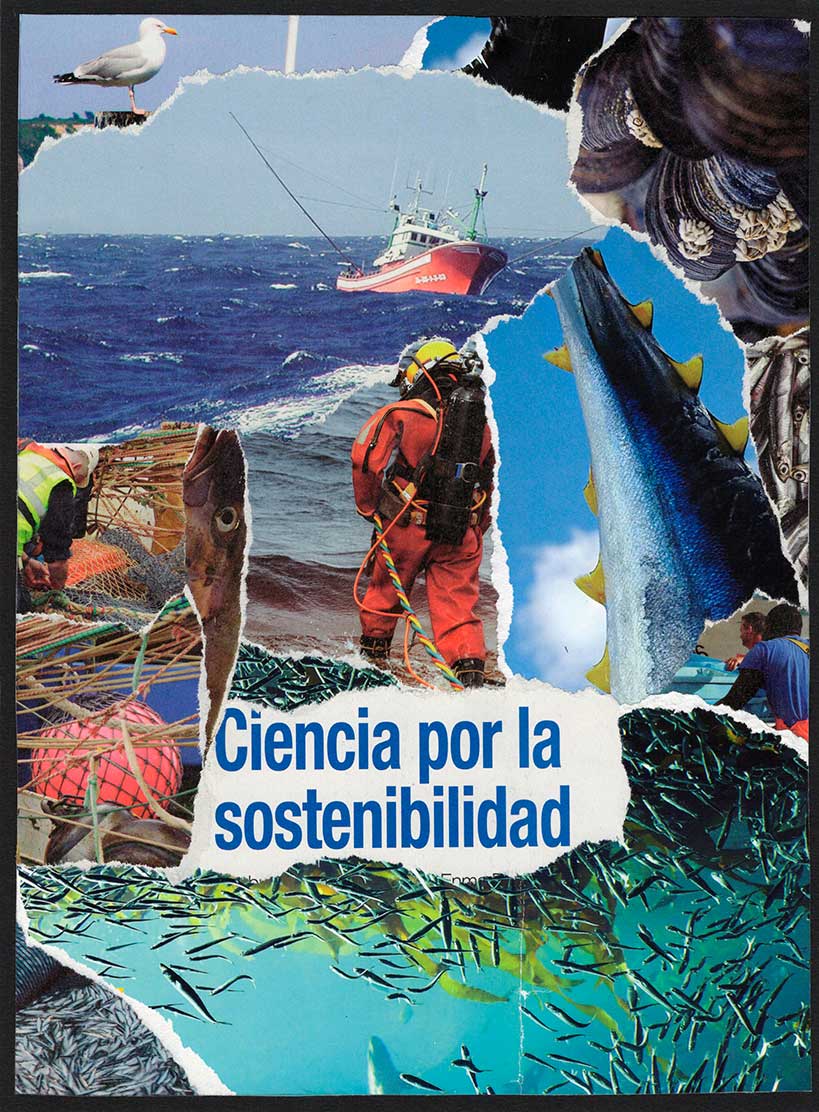
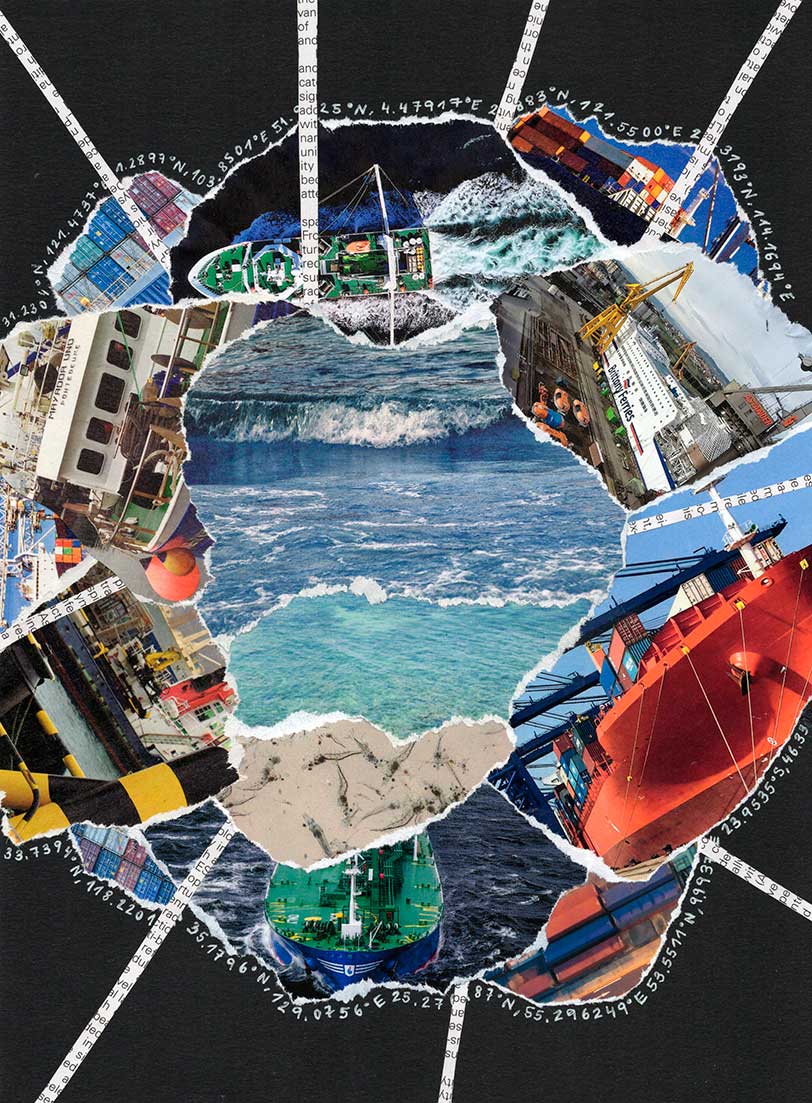
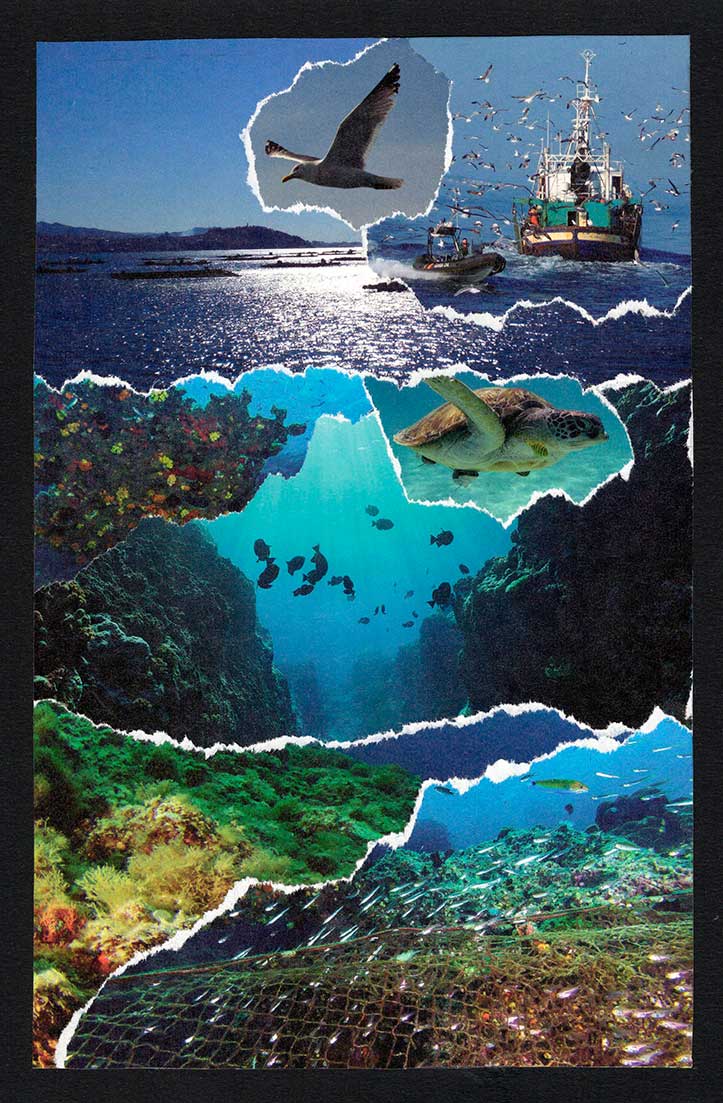
“In my recent conservation and biodiversity posters, collage becomes a meeting point between art and science”. Scientific concepts, species, ecological messages, and symbolic elements coexist within the same visual space, inviting the viewer to explore connections between them. “Much like ecosystems themselves”, these compositions are built from interdependent parts that only fully make sense when seen as a whole.
For me, this process mirrors scientific thinking. Research is also built from fragments (data, observations, patterns) that gradually reveal a broader understanding. Through collage, I translate that process into a visual language. It allows me to communicate environmental messages in a way that is layered, accessible, and emotionally resonant, without losing scientific rigor.